
BioTechniques News
Tristan Free
Space-grown ‘mini tumors’ advance organoid disease modeling and herald a “new era of orbital oncology”.
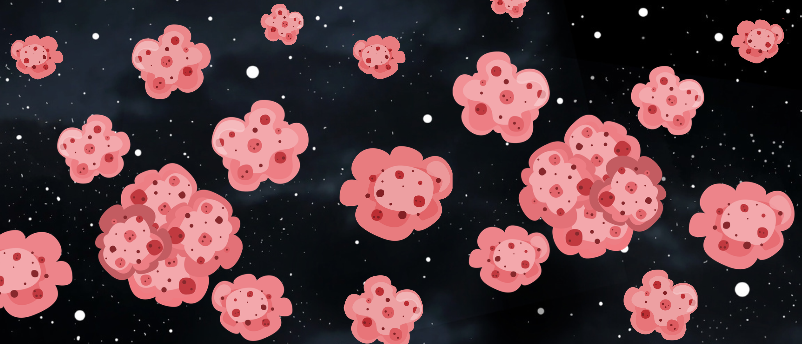
Exasperated by the limitations of Earth-based models, scientists from the University of Notre Dame (IN, USA) took their research off-planet, growing glioblastoma organoids in microgravity on the International Space Station (ISS). Multi-omics and spatial analysis revealed that the resulting ‘mini tumors’ more accurately emulated the aggressive brain cancer than those grown on Earth, demonstrating how space-grown organoids could provide improved models for basic and translational cancer research.
Glioblastoma is a malignant, treatment-resistant brain cancer with an immunosuppressive microenvironment, which throws up difficulties in developing effective therapies. Despite some recent advances in this area, overall survival remains low, meaning novel therapeutic strategies are urgently needed. New approach methodologies, including cancer organoids, have shown promise for modeling glioblastoma and accelerating drug discovery efforts; however, they are held back by their inability to fully reproduce glioblastoma tumor architecture. This is in large part due to the fact that, under Earth’s gravity, cancer organoids are subject to settling, sedimentation and disaggregation.
Growing organoids in microgravity offers a way to bypass these issues, and as such is emerging as a promising tool for disease research and therapeutic development. In this vein, the Notre Dame team cultured tumor organoids from glioblastoma cells, with and without macrophages and monocytes, aboard the ISS for 40 days.
 How microgravity derails microbial biosynthesis aboard the ISS
How do bacteria fare in space? A new study examines the effects of microgravity on melanin biosynthesis in E. coli aboard the International Space Station.
Upon their return to Earth, the organoids were analyzed for their morphological, transcriptional, proteomic and spatial responses to spaceflight, and compared to control organoids maintained at the Kennedy Space Center. Brightfield imaging, as well as immunofluorescent, hematoxylin and eosin staining, revealed that space-grown organoids were more uniform and compact, with less disaggregation.
Meanwhile, bulk transcriptomics demonstrated that organoids grown with monocytes in microgravity had increased expression of genes associated with chronic innate inflammation, adaptive immune activation, and tissue and vascular remodeling – which are known to be linked to disease progression and poor patient outcomes in glioblastoma.
Using Xenium’s 10x platform, spatial transcriptomics highlighted gene expression patterns that resembled glioblastoma tumor architecture; and secreted protein quantification confirmed that ISS organoids and monocytes produced more proteins associated with aggressive disease.
Ultimately, the first-of-its-kind study suggests that space-grown organoids mimic human glioblastoma tumors more effectively than those grown under Earth’s gravity, thus presenting an enhanced disease model that could help improve treatments for the brain cancer.
“We demonstrated that microgravity fuels a model phenotype that recapitulates human tumors better and faster than we achieve on the ground. This work helps lay the foundation for a new era of orbital oncology that moves cancer research from bedside to orbit and back again,” concluded lead author Meenal Datta.
The post Scientists grew tumor organoids in space, and it could yield new brain cancer treatments appeared first on BioTechniques.
Powered by WPeMatico