
BioTechniques News
Tristan Free
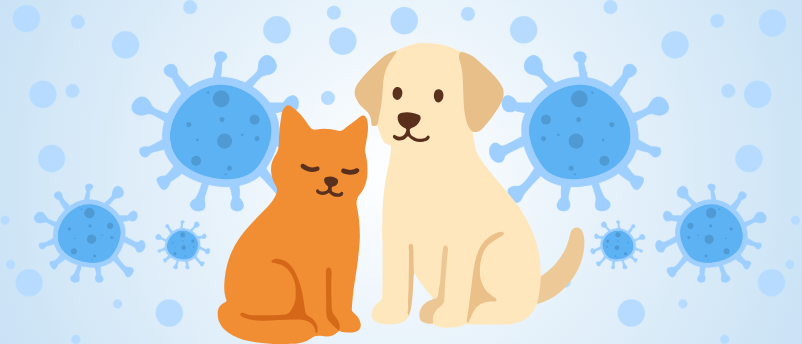
Domestic cats and dogs may be hosts to antibiotic-resistant Klebsiella pneumoniae – a potentially pathogenic bacterium that can cause disease in humans.
We’re sorry to break it to you, but your beloved pet could be carrying antibiotic-resistant bacteria. Researchers from Bournemouth University (UK) analyzed over 700 bacterial genomes derived from domestic cats and dogs and identified strains with multidrug resistance, including high-risk clones also found in humans. Although this does not mean that your furry friend is making you sick, the findings highlight the overlooked importance of companion animals in the fight against antimicrobial resistance.
With antimicrobial resistance presenting a major global health challenge, surveillance to identify reservoirs, track transmission pathways and detect clinically important lineages is essential. Companion animals are increasingly included within this surveillance, as their proximity to humans provides ample opportunity for bacterial exchange; however, surveillance efforts for pets are still less developed than those for humans and livestock. For example, the global genomic structure and lineage diversity of cat- and dog-associated K. pneumoniae – a high-priority resistant pathogen responsible for substantial morbidity and mortality worldwide – remains poorly defined.
Seeking to change that, the researchers assembled a global dataset of 712 K. pneumoniae genomes derived from domestic cats and dogs across 25 countries. They identified 263 sequence types, indicating robust lineage diversity in the companion-animal population, although certain high-risk lineages, including ST307, ST11, ST15 and ST147, were dominant.
 Looking for a lifeline: new compounds show promise against AMR
A new class of compounds shows promising antibacterial properties, with the potential to aid the fight against antimicrobial resistance.
The team then compared pet-associated bacteria with over 38,000 human K. pneumoniae genomes, which revealed extensive overlap: around 87% of isolates from the pets belonged to strains that have also been identified in humans.
They also examined the genomes for antibiotic resistance genes, finding that genes conferring resistance to two clinically important antimicrobials – extended-spectrum β-lactamase and carbapenemase – were widely distributed among K. pneumoniae recovered from domestic cats and dogs. Interestingly, cat-derived isolates showed higher multidrug resistance (80%) than genomes that originated from dogs (56%).
One strain in particular, ST147, raised eyebrows. When the researchers performed focused recombination-filtered phylogenomics of feline ST147, they discovered a closely related multidrug-resistant cluster containing cat-, dog- and human-associated genomes.
Overall, the findings demonstrate that pets can harbor globally disseminated antimicrobial-resistance lineages that closely resemble those found in humans, and support the inclusion of companion animals in targeted genomic surveillance. However, the authors are quick to caution that their data do not establish directionality, source attribution or direct transmission between pets and their owners.
“This study does not tell us that our pets are making us ill, but it does show that very closely related bacterial strains can be found across animals and humans,” Stephen Fordham, who led the study, concluded. “There is no need for owners to be concerned but this does show the importance of including our pets in wider efforts to understand and tackle antimicrobial resistance.”
The post Is your pet spreading antimicrobial resistance? appeared first on BioTechniques.
Powered by WPeMatico