
BioTechniques News
Beatrice Bowlby
Repurposing a tapeworm drug shows promise as a treatment for endometriosis, a disease for which there is currently no cure and few therapeutic options.
In a preclinical breakthrough for endometriosis research, scientists from Washington State University (WSU; WA, USA) have engineered a targeted nanotherapy that delivers a commonly available anthelmintic drug directly to disease-specific immune cells. In a mouse model of the condition, the novel therapy reduced symptoms and disease progression after just one dose, demonstrating its potential as a non-hormonal nanomedicine for precise and effective endometriosis treatment.
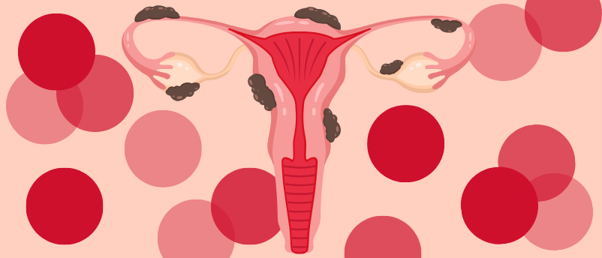
Endometriosis affects an estimated 190 million reproductive-age women worldwide and is caused by tissue that is usually only found in the lining of the uterus growing outside of it, resulting in inflammation and scar tissue. Characterized by chronic pelvic pain, severe menstrual cramps, pain during sex and infertility, it is one of the most debilitating gynecological disorders. As things stand, there is no cure, and effective treatment options are limited. Current approaches for managing symptoms rely on hormonal suppression of estrogen and generally have reduced efficacy, high recurrence rates and serious side effects, which means there is an urgent need to develop new non-hormonal therapies that can bypass these issues.
Previous research from the WSU team joins a growing body of evidence that implicates immune cell dysregulation in endometriosis. The researchers identified a unique population of folate receptor-β (FRβ)-expressing macrophages as a contributor to disease progression and simultaneously demonstrated that niclosamide – an FDA-approved anthelmintic drug commonly used to treat tapeworm infections – can inhibit FRβ+ macrophages and suppress endometriotic lesion growth. This work set the scene for the current study, which aimed to achieve targeted delivery of niclosamide to FRβ+ macrophages, maximizing therapeutic efficacy while minimizing systemic toxicity.
To that end, the scientists used click chemistry to develop a nanocarrier called a dendrimer, which incorporated 2-deoxy-glucose moieties to enhance solubility and macrophage interaction. This was conjugated to folic acid, a ligand of FRβ, as well as niclosamide, ultimately creating a nanotherapeutic for uptake into FRβ+ macrophages.
 Exploring insomnia and the menopause: where are we and what is needed from the preclinical research?
This interview explores the mechanisms underlying the association between insomnia and menopause.
Fluorescence imaging and confocal microscopy in a mouse model of endometriosis revealed, respectively, that the therapy accumulated in endometriotic lesions and was selectively internalized by FRβ+ macrophages with minimal off-target toxicity. After just one dose, immune profiling by flow cytometry and immunohistochemical analyses showed that the number of FRβ+ macrophages was reduced, as was the size and number of lesions. In addition, behavioral tests suggested that the mice had a markedly improved sensitivity to pain at 2 weeks post-treatment.
While still in its early stages, the research highlights this novel nanomedicine as a promising option for endometriosis treatment, addressing a critical unmet need for more precise and effective therapeutics. Eventually, the study authors hope to test their therapy in human trials and translate its promise into clinical value.
“Although we still need to clear multiple phases, this study is telling us the efficacy is strong, and this nanocarrier is stable, so far, for 2 weeks – and we think we can go longer,” corresponding author Kanako Hayashi proclaimed. “The idea is that if it’s stable for a month, you could go to the doctor once a month, get the shot, either IV or muscle injection, and then go home.”
The post Tapeworm drug nanotherapy sparks hope for non-hormonal endometriosis treatment appeared first on BioTechniques.
Powered by WPeMatico