
BioTechniques News
Beatrice Bowlby
In a blast from the past that may prove to be a boon for modern drug discovery, scientists have resurrected ancient proteins that could serve as a jumping-off point for novel antimicrobials.
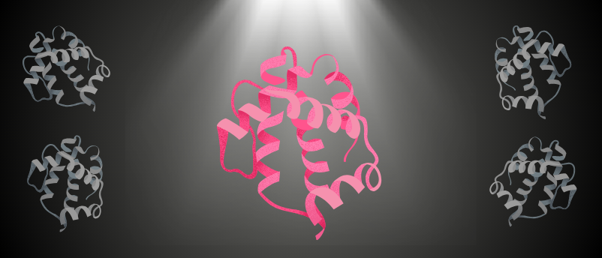
Researchers from the University of Oregon (OR, USA) have reconstructed prehistoric proteins, some of them an astonishing 160 million years old, with natural antimicrobial properties that could be exploited to design new medicines. Dating back to the earliest mammals, some of the peptides even outperformed present-day alternatives for combating pathogenic bacteria.
As the fight against antibiotic resistance intensifies, researchers are searching for potent new therapeutics to fortify their antimicrobial arsenals. Among the avenues being explored are antimicrobial peptides (AMPs) – a group of small bioactive proteins that form part of the body’s innate defense against microbes. As well as seeking them out in unlikely places (like camels), scientists are looking to the past for inspiration, with the hope of recreating extinct AMPs.
The researchers behind the new study decided to start with the immune protein lactoferrin. Found in bodily fluids like breast milk, tears and saliva – although notably not in blood – the protein’s primary role is to sequester iron, which means it removes an essential substrate required for bacterial growth. In addition to this, it has an embedded AMP, lactoferricin, which can make holes in pathogen cell walls, causing them to rupture. However, none of lactoferrin’s close protein relatives possess the same bacteria-killing ability, presenting something of an evolutionary mystery.
To try and unravel this and pinpoint exactly when and how the protein evolved, the team traced its evolution all the way back to when it arose in the ancestor of placental mammals around 160 million years ago. They conducted ancestral sequence reconstruction using the Topiary pipeline, which identifies ancient protein sequences based on extant ones, to compare amino acid sequences of lactoferrin in modern organisms such as humans and cows and use this to infer the sequences of their common ancestors. They then predicted the structures of these full-length ancestral proteins using AlphaFold2.
Doing so identified an enrichment of cationic and hydrophobic residues in the lactoferricin domain over time, which the researchers believe enabled ancient lactoferricin to first rupture bacterial membranes.
 World-first AI-designed genomes generate 16 powerful new bacteria-killing viruses
In a world-first, scientists have used genome language models to generate new viruses that selectively target bacteria, raising hopes for new medicines.
To characterize the antimicrobial potency of ancestral and extant lactoferricin domains, the team synthesized the peptides by GenScript, before testing their activity against human pathogens, including Pseudomonas aeruginosa, Staphylococcus aureus, Escherichia coli and Streptococcus agalactiae. Bacterial growth at varying concentrations was measured by normalized area under the curve calculations, revealing that modest antimicrobial activity was present in the earliest AMP, around the emergence of lactoferrin in ancient mammals, which then increased in subsequent ancestors. Interestingly, some ancient lactoferricins exerted higher antimicrobial activity than their extant orthologs, demonstrating that the evolution of antimicrobial function has not followed a linear trajectory.
Digging a bit deeper into the genetic origins of lactoferricin’s antimicrobial activity, the team identified a single arginine substitution that played a key role.
“Evolution is essentially a billions-year-old science experiment, right?” Matt Barber, senior author of the paper, quipped. “We’re seeing the results of what worked and what didn’t work. Looking at how traits are naturally produced and selected through evolution, you can get information that could be useful for designing new antimicrobial tools.”
Although the potential to use these ancient AMPs to develop new drugs is exciting, we’re still a way off from this becoming a reality, Barber cautioned. Even if we do make it to that point, bacteria will eventually develop resistance to AMPs too, but that doesn’t mean the evolutionary lessons learned here aren’t valuable:
“If we understand and can anticipate how [pathogens] become resistant to these molecules, we can hopefully find better ways to target them or develop combination treatments that better avoid resistance,” Barber added.
The post 160-million-year-old proteins could inspire future antimicrobials appeared first on BioTechniques.
Powered by WPeMatico