
BioTechniques News
Tristan Free
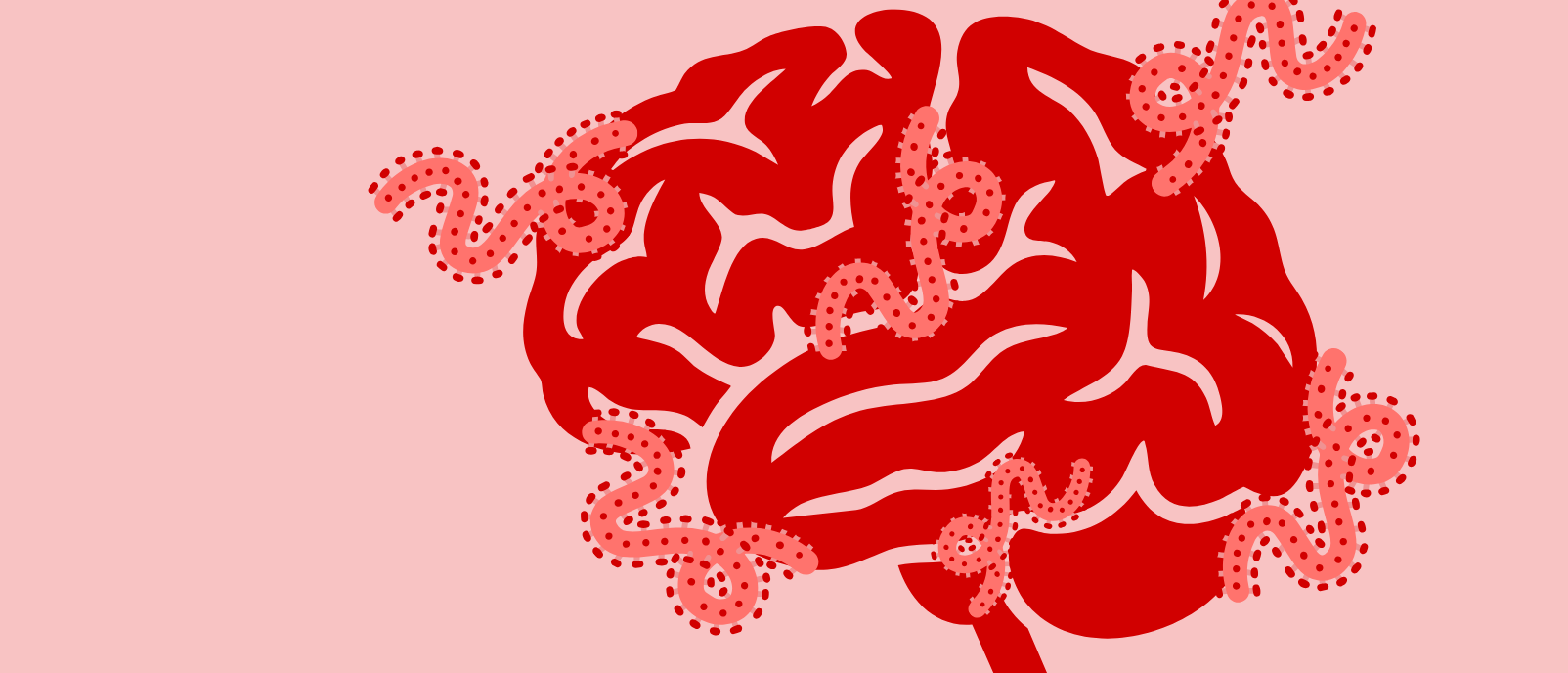
Using human cerebral organoids, researchers have revealed how Ebola virus persists in the brain.
An international collaboration led by researchers at the Bernhard Nocht Institute for Tropical Medicine (BNITM; Hamburg, Germany) and the Icahn School of Medicine at Mount Sinai (NY, USA) has utilized a human cerebral organoid model to provide a deeper insight into how Ebola virus (EBOV) persists in immune-privileged organs. This viral persistence increases the risk of inflammatory disease, relapse and even – in some cases – re-initiation of EBOV disease outbreaks. However, little is known about how the virus is able to survive long-term in its host.
EBOV causes Ebola virus disease, which is often fatal. It’s part of the Filoviridae family, which is characterized by its pleomorphic ability and the single-stranded, negative-sense RNA molecule that each virion contains. In addition to EBOV, other examples of filoviruses that cause severe disease in humans include Marburg virus (MARV) and Sudan virus (SUDV). For those who survive the acute phase of these diseases, viruses can persist within the body, in immune-privileged organs. These organs, like the brain, generally produce a weaker immune response to protect their sensitive tissues, resulting in persistent viral particles.
The mechanisms underlying this viral persistence have remained elusive, until now. Using cerebral organoids generated from human induced pluripotent stem cells, the researchers investigated filovirus central nervous system infection and persistence.
 The biotech bi-weekly: unveiling a new brain organoid assay, advancing epigenomics research and building an infectious disease research portfolio
The latest industry news.
“These cerebral organoids enable us to investigate in detail the mechanisms that Ebola virus and other filoviruses use to persist in the human central nervous system. Through experiments in this model system, we can gain insights that help us improve our understanding of the long-term effects of persistence, like the severe and sometimes fatal inflammation seen in Ebola virus disease survivors with meningoencephalitis,” explained Lina Widerspick, first author of the publication and former researcher at the BNITM.
They observed productive persistent infection with filoviruses EBOV, SUDV and MARV in the organoids for up to 120 days, with EBOV infecting various cerebral cell types, including neurons, astrocytes, oligodendrocytes and microglia. Further investigating the mechanisms facilitating this persistence, the researchers found that EBOV spread via cell-to-cell transmission as well as budding from the host cell, which is the traditional means of viral spreading.
The organoids produced pro-inflammatory cytokines in the later stages of infection; however, this elevated immune response could not curb the infection. “We therefore conclude that a persistent Ebola virus infection in immune-privileged tissues can lead to local inflammation. This observation is consistent with the fact that some Ebola virus disease survivors develop inflammation of the eye, meninges, or brain months after infection with Ebola virus,” shared co-senior author César Muñoz-Fontela (BNITM).
In addition to this late cerebral organoid inflammation, the researchers also linked the formation of defective viral genomes and particles to EBOV persistence, finding mutations in EBOV genomes in late-stage, persistently infected cerebral organoids. These mutations could be contributing to persistence by limiting intracellular detection.
This work contributes to our understanding of EBOV persistence in the brain, but it also demonstrates the promising role that cerebral organoids could play in investigating host–virus interactions, potentially optimizing antiviral development and reducing the use of animal models in infectious disease research. More research is needed to understand this relationship on a long-term scale. Additionally, a more diverse investigation of filoviruses is needed to provide a more complete characterization of filoviral persistence mechanisms.
The post How does Ebola virus persist in the brain? appeared first on BioTechniques.
Powered by WPeMatico